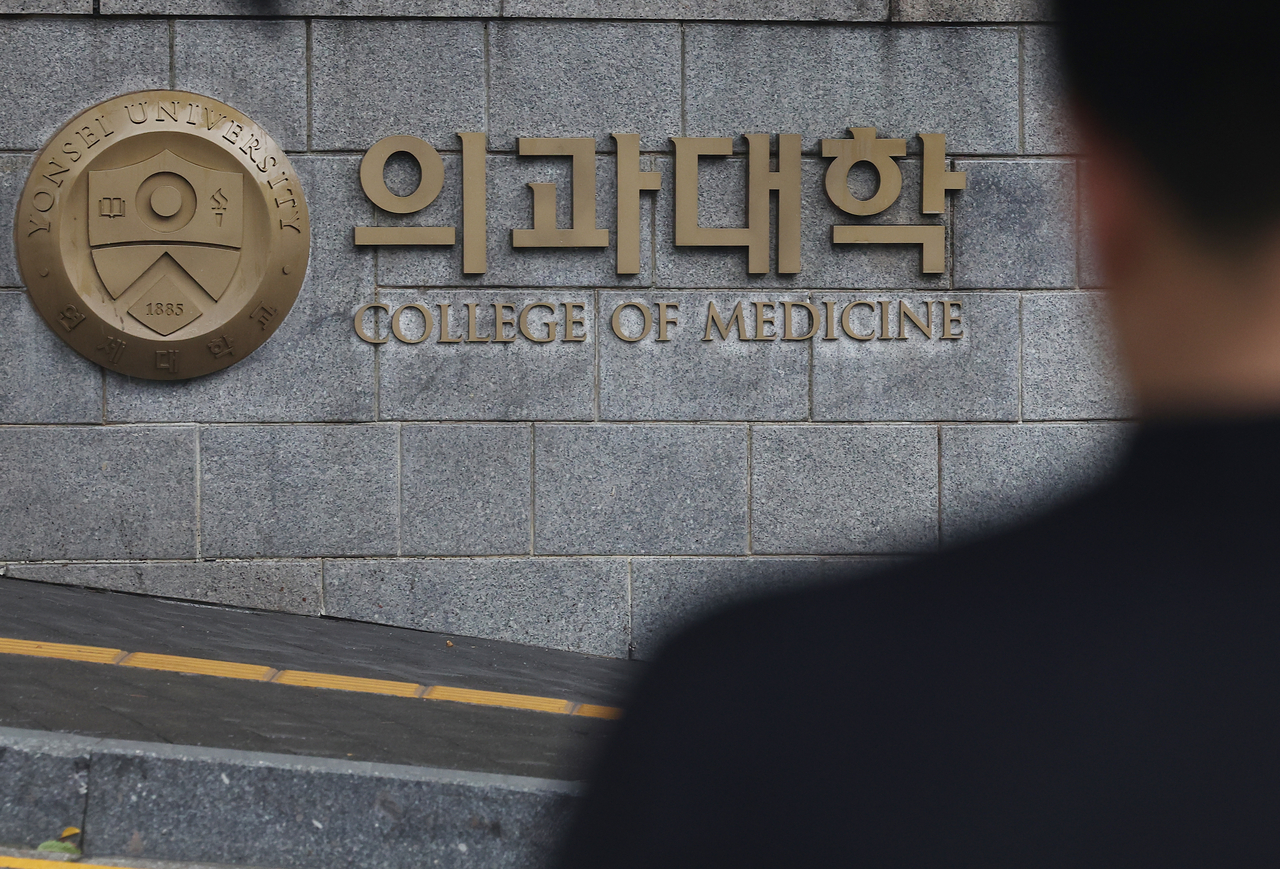
Medical school students who boycotted the previous administration’s medical school admissions plan will be allowed to return to school in the upcoming fall semester with few restrictions, the Ministry of Education said Friday.
During its briefing, the Education Ministry announced that it would respect the decision submitted by the Korea Association of Medical Colleges earlier in the day to accept students wishing to return in the fall.
The decision to switch from a year-based academic system to a semester-based system is considered crucial. Most medical school programs in South Korea follow the former, and failure to complete a semester typically results in repeating the full year.
This means that some 8,000 students who boycotted classes in the spring semester were unable to return in the middle of the year and had to wait until the next school year in March. Students had refused to attend class in protest of the previous Yoon Suk Yeol administration’s plans to sharply increase the medical school admissions quota.
The KAMC, however, suggested that students who boycotted classes in the 2025 spring semester be allowed to complete missed coursework through supplemental classes conducted in the fall and during the upcoming winter break. The Education Ministry accepted this suggestion as well.
Classes for medical school students are expected to begin before universities amend their academic regulations to facilitate a quick return for students. Some universities may see medical students returning as early as the beginning of August, according to the Ministry of Education.
“It usually takes more than two months to revise academic regulations at universities. Therefore, it would be difficult to start classes after the regulations are amended. For now, classes will proceed as scheduled and we will work with universities to expedite the amendment process,” said an Education Ministry official.
The Education Ministry also added that it would take into consideration the association’s request to conduct additional national medical license exams to accommodate students who were expected to graduate in August 2026 and 2027.
Practical exams for the national medical license exams are currently scheduled for September. Final-year students who boycotted classes and were expected to graduate in August 2026 are currently ineligible to take this exam, as only graduates or students who are within six months of graduation can sit for the series of practical and written exams.
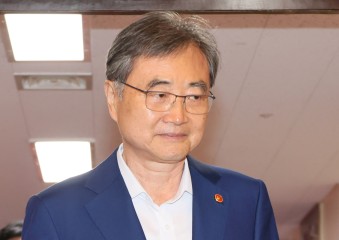
“We respect the stance of the Korea Association of Medical Colleges and will actively provide necessary administrative and financial support while acknowledging the autonomy and responsibility of individual universities in academic affairs,” said an Education Ministry official.
Despite the government’s emphasis on restoring educational normalcy, the decision has drawn fierce public criticism, with some arguing that students who boycotted classes in defiance of government policy are receiving unfair advantages.
An online petition posted on the National Assembly's petition website had drawn over 64,000 signatures by Thursday, calling the government's move "preferential treatment" for defiant medical students. The petition singled out universities altering their academic systems, shortening academic timelines and arranging extra license exams, saying such actions were not typically extended to other students missing coursework or failing to meet graduation requirements.
The Education Ministry maintained that each university, not the government, will have the final say over such academic matters, but added it would actively support schools in creating “creative, flexible academic measures” and consider financial aid if needed.
lee.jungjoo@heraldcorp.com