Police, who spent 70 minutes outside the crime scene, deny claims that they asked the family to intervene with armed suspect
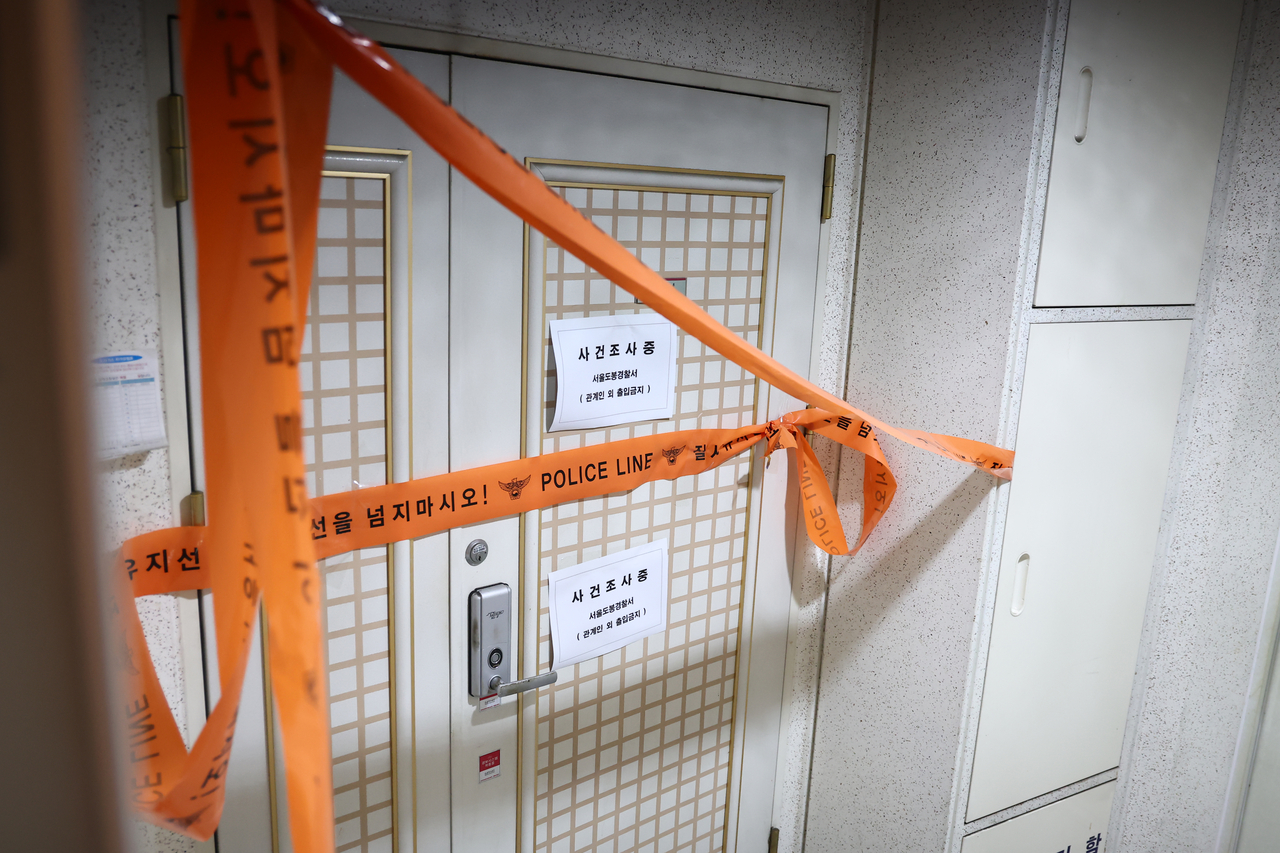
A fatal shooting in which a father shot and killed his son during a family gathering has sparked widespread public criticism over what appears to be a delayed and disorganized police response in a country where gun violence is extremely rare.
The Korean National Police Agency has launched an internal investigation into how officers handled the incident, including their response to multiple emergency calls.
The shooting occurred on July 20 at the victim’s home in Incheon's Songdo during a birthday party reportedly organized by the victim in honor of his father. Attendees included the victim’s wife, their two children and the children’s tutor, who is a foreign national.
According to local media reports, the suspect told police he shot his son with a homemade firearm because he "felt betrayed" after being cut off financially by the family.
Despite multiple emergency calls from the victim’s wife, who fled with their children into another room after her husband was shot, police did not enter the home until roughly 70 minutes later.
Adding to the controversy over the police response are allegations that officers, while remaining outside, asked the victim's wife to convince the gunman to release the wounded victim from the apartment.
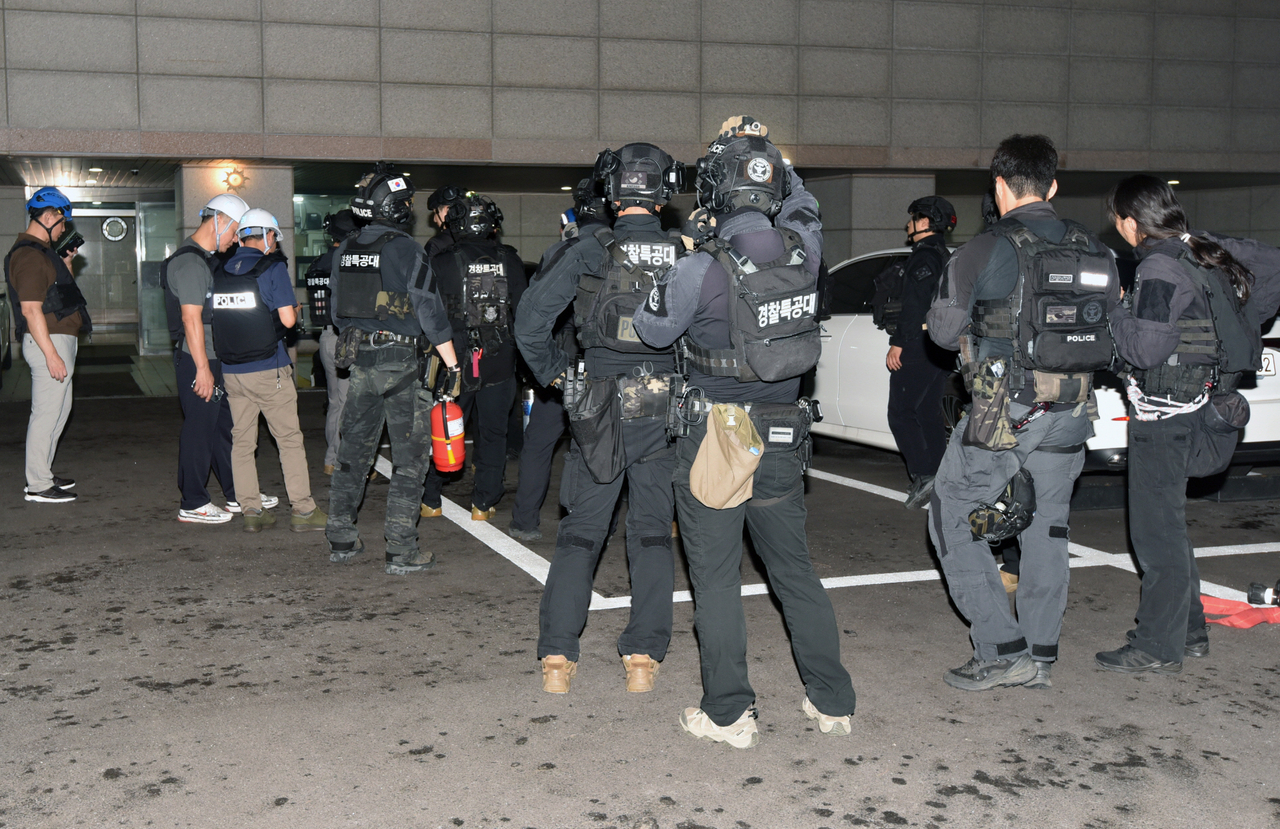
Police, however, denied this Monday, saying, “No such instruction was given directly to the victim’s wife.”
They said the officer managing the situation had told a colleague on the scene to "check if there’s any way to rescue the husband first." They emphasized that this direction was intended for officers on site and was not meant to be relayed to the family.
Two key aspects of the police response have come under intense scrutiny.
The first is the timing. The initial emergency call was made at approximately 9:31 p.m. However, officers did not enter the apartment until around 10:40 p.m., reportedly waiting for a special response unit to arrive.
By the time officers gained access, the victim was unconscious and was later pronounced dead at the hospital. The shooter had already fled the scene.
The second issue concerns the chain of command. The officer assigned to lead the response remained at the station and coordinated efforts remotely from the control room. His absence at the scene has raised concerns about a lack of coordination and leadership during a critical window of time.
ssh@heraldcorp.com