Report reveals over half of officers unaware that it is forbidden to call out soldiers based on race, external appearance
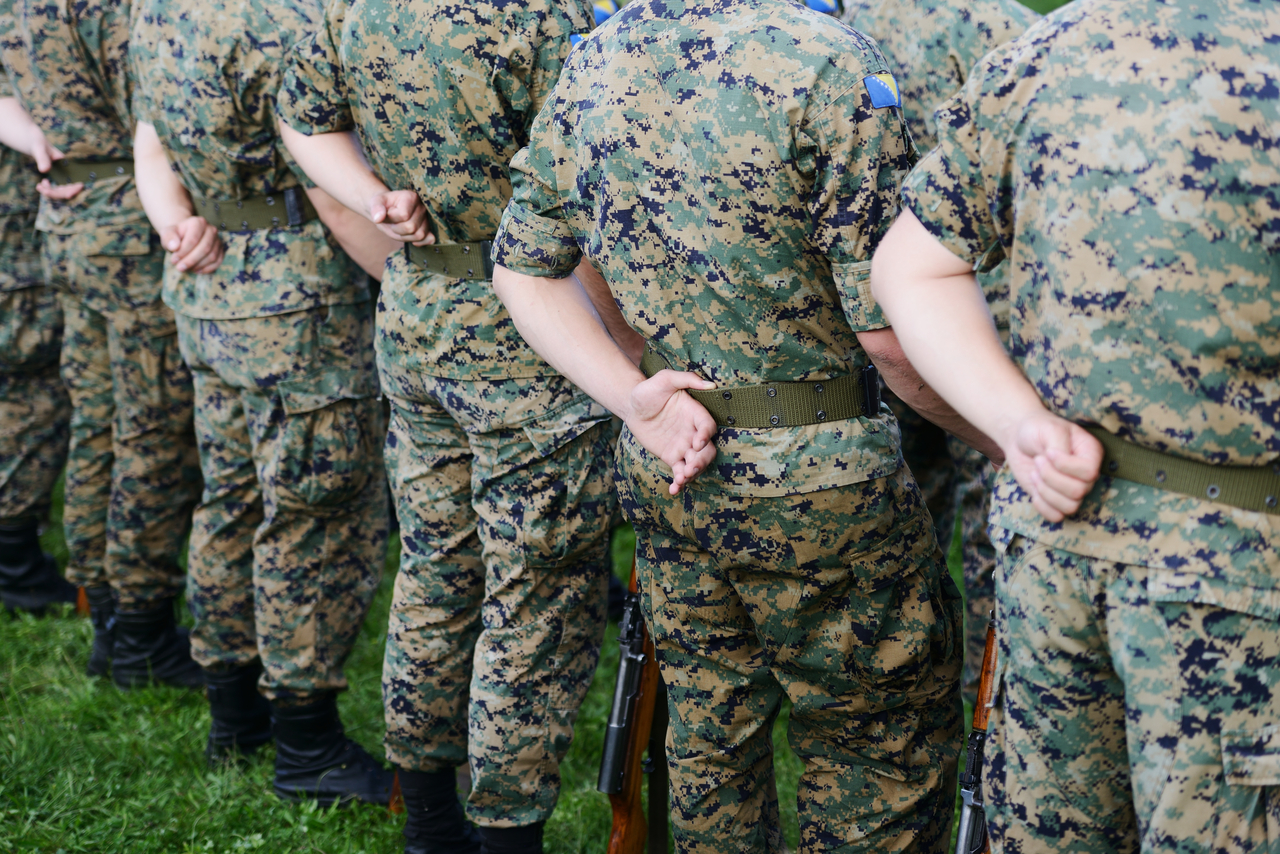
A conscripted soldier of the South Korean Army says he was the victim of racially charged bullying, leading to an official military police investigation, according to local media reports on Monday.
The 22-year-old soldier jumped from the second floor of his barracks in Goyang, Gyeonggi Province, on April 23. While receiving treatment at the military hospital, he made the complaint to his superiors.
Born to a Chinese father and a mother who defected from North Korea, the soldier was born in China, where he lived for some time before moving to Korea. He enlisted last year after obtaining South Korean citizenship. According to him, other soldiers in the troop would call him derogatory names or say that he was a "fake Korean."
According to what he wrote in his journal in December, reported by local broadcaster MBC, he suffered from constant nightmares, had trouble breathing and was under constant pressure from his superiors. He also wrote that he was denied medicine that he requested.
The Army, in its initial report of the incident, did not specify any potential reasons behind the soldier's decision to jump from the window, but a report written three months later said he was "having trouble adjusting because of his difficulty communicating in Korean."
As the number of multicultural families in Korea increases, more Korean citizens with diverse ethnic backgrounds are completing their mandatory military service. A 2024 report by the Korea Institute for Defense Analyses showed that 1 percent of all South Korean troops had non-Korean ethnicities in 2022. This figure is projected to reach 5 percent by 2030.
A 2009 revision of the Military Service Act had deleted a clause that exempted "mixed-race individuals with distinguishable external features" from mandatory military service. Though intended to abolish discrimination based on race, there are still complications stemming from a lack of consideration toward soldiers with diverse ethnic backgrounds.
The aforementioned KIDA report conducted a survey on 3,600 people in the South Korean military, revealing that 15 percent of the officers were unaware that there were soldiers of various backgrounds in the military. Additionally, over half of the officers were unaware that it is forbidden to call out soldiers' distinctive features based on their race and external appearance.
minsikyoon@heraldcorp.com