The Democratic Party of Korea on Thursday welcomed the country’s trade deal to set a 15 percent tariff with the United States in exchange for $450 billion of South Korean investment in the US and the purchase of American liquefied natural gas and other energy products.
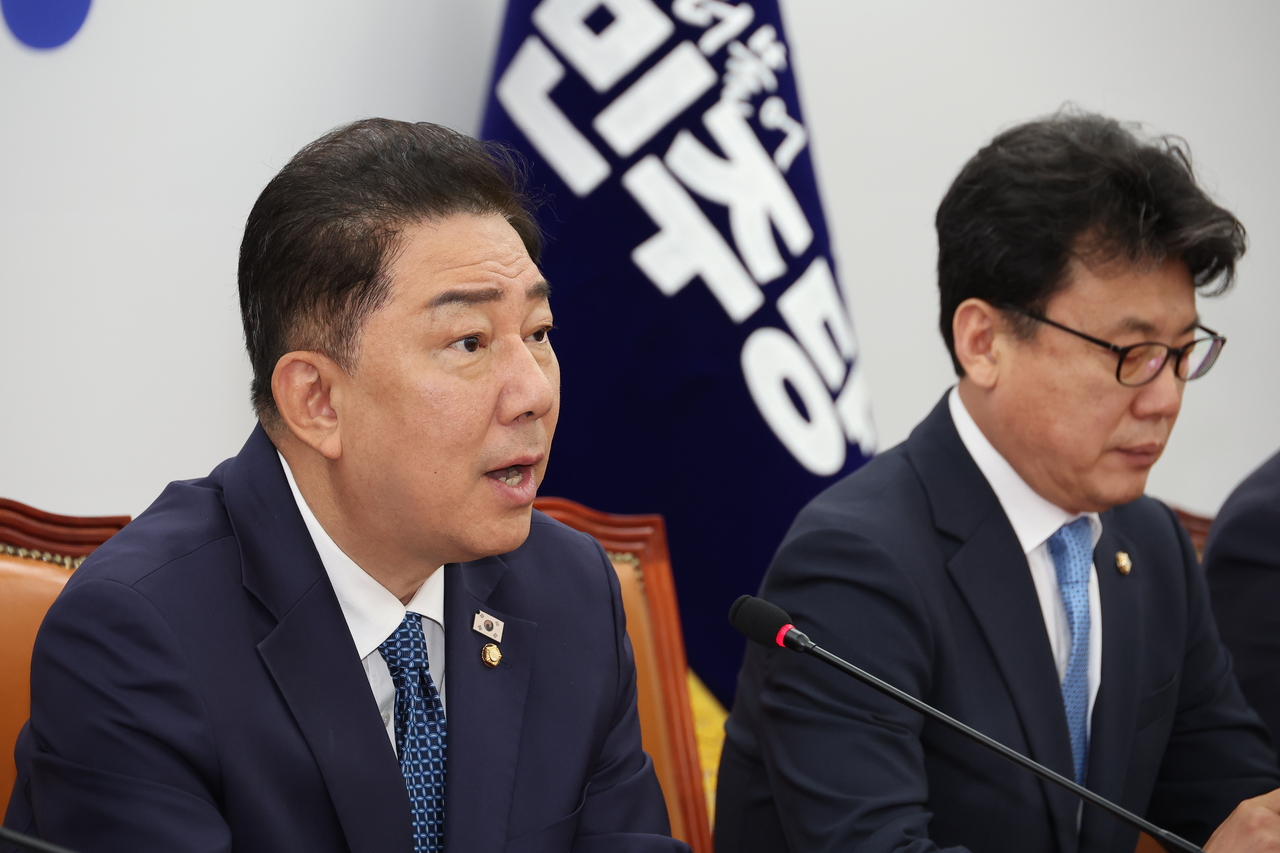
Rep. Kim Byung-kee, the floor leader of the ruling party, thanked President Lee Jae Myung and the government for “meaningful results” that meet people's expectations, adding that he would like to extend his gratitude to those in the business sector for joining forces with the government.
“Through this agreement, industrial cooperation between South Korea and the United States will become stronger. The South Korea-US alliance will become even more solid,” Kim said during a meeting held at the National Assembly in Yeouido, Seoul, Thursday.
“It is time for the National Assembly to respond. The Democratic Party will make legislative measures to strengthen the competitiveness of Korean companies, diversify export markets and more,” he added.
Rep. Park Chan-dae, former floor leader of the ruling Democratic Party and a candidate for the party's leadership race, also praised the tariff agreement as “a hard-won achievement that put the national interest above all else even under difficult circumstances.”
“I hope that this agreement will not only provide solutions for tariff-related issues but also serve as a new turning point for strengthening the Korea-US alliance and promoting cooperation between the two countries,” said Park in an online post on his social media.
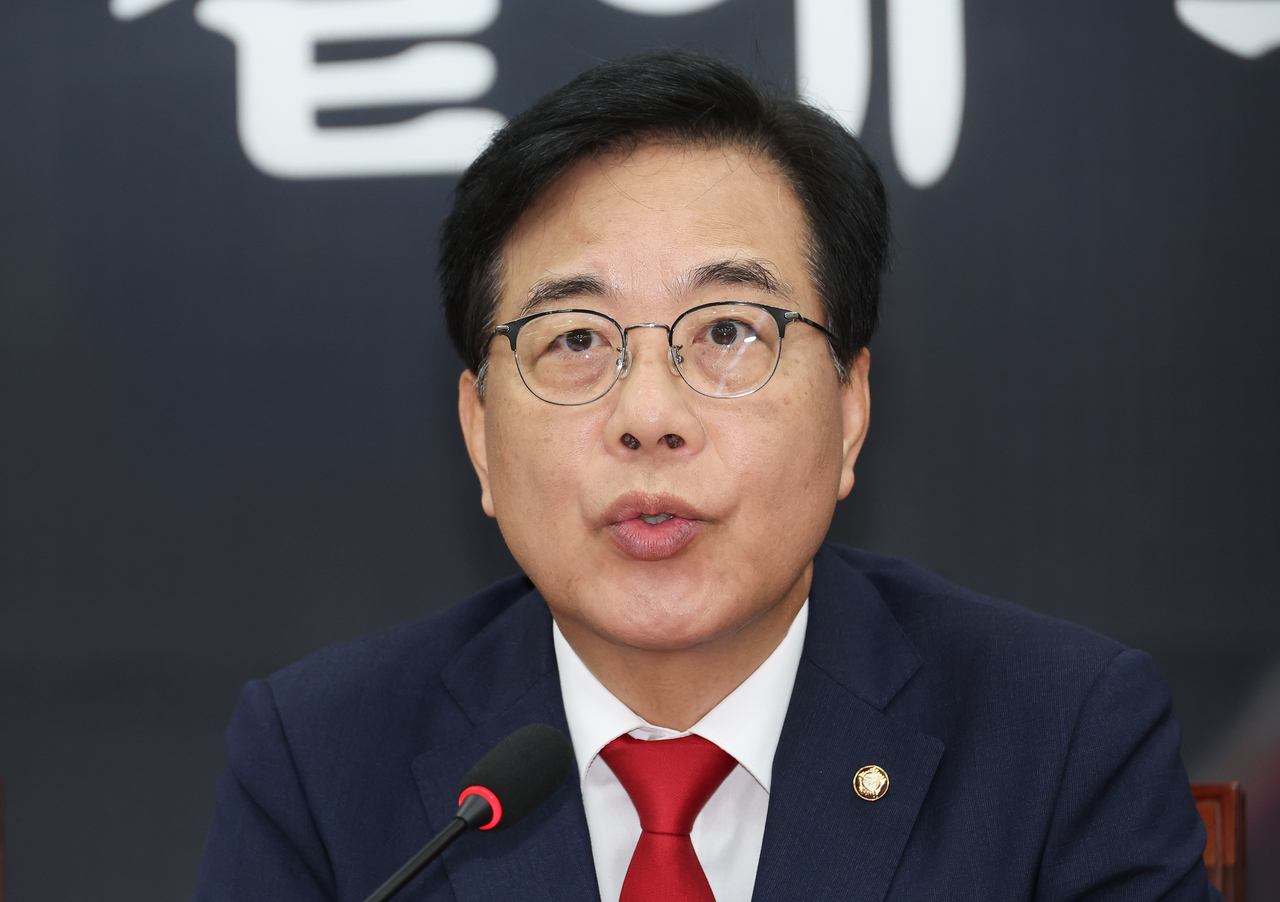
The main opposition People Power Party’s interim leader Song Eon-seog, meanwhile, gave a more toned-down reaction. While he called the bilateral agreement between the two countries appropriate, as it is on par with that of the European Union and Japan, Song also expressed concerns over the specific provisions of the tariff deal.
"Under the bilateral free trade agreement with the US, South Korean automobiles have enjoyed a zero tariff rate, whereas Japan was subject to a 2 percent tariff. If the same 15 percent tariff rate is now applied to both countries, Japanese automobiles might become more competitive, which could, in effect, result in a disadvantage for Korean automakers,” Song said in a meeting held at the National Assembly on Thursday morning.
The interim leader also urged clarification regarding the trade deal in the agriculture sector.
“The government stated that there will be no further opening for rice and beef markets. But US President Donald Trump’s message mentioned how South Korea will accept American products, including agricultural goods,” he said.
“The government must clarify whether this means there will be a significant increase in imports of other grains or fruits except rice and beef, or whether President Trump’s remarks were simply political rhetoric,” Song added.
He also stated that the scale of South Korea’s investment in the US is excessive, citing that it exceeds the country’s foreign reserves.
sj_lee@heraldcorp.com